Real Estate and Leisure Activities: Exploring Browser Slots
George Murray ·
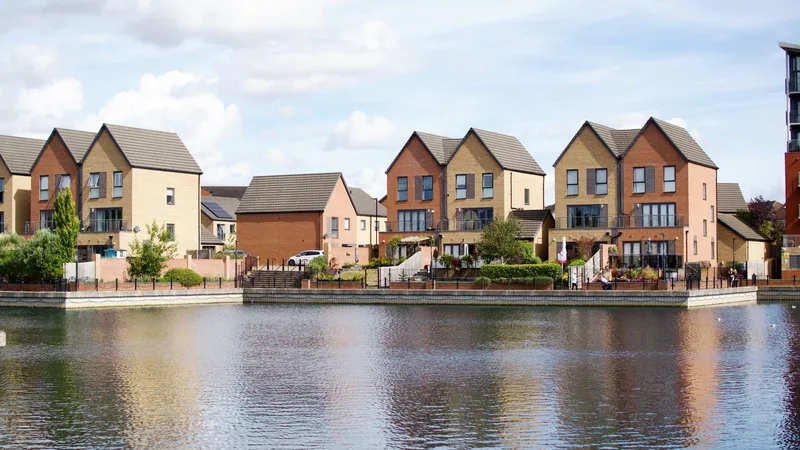
As the real estate market continues to evolve, the intersection of property investment and leisure activities has become increasingly significant. Investors are now looking beyond traditional…
The Impact of Leisure on Real Estate Value
In today's competitive real estate market, leisure amenities play a crucial role in determining property desirability. Potential tenants and buyers are increasingly prioritizing properties that offer recreational facilities, such as parks, gyms, and entertainment venues. These leisure features not only enhance the living experience but also create a vibrant community atmosphere. Understanding how leisure influences real estate value is essential for investors and developers alike
Understanding Tenant Preferences
Tenant preferences have shifted towards properties that offer diverse leisure amenities, reflecting a growing demand for lifestyle-oriented living. Properties with close proximity to leisure activities tend to attract higher occupancy rates and command premium rents. This trend is particularly evident among younger demographics, who value experiences over material possessions. By analyzing these preferences, real estate professionals can better cater to their target market, ensuring that properties remain attractive and competitive in a crowded landscape.
Enhancing Property Value
Integrating leisure activities into real estate developments can significantly enhance property value. Properties that feature amenities such as swimming pools, sports facilities, or communal gardens not only appeal to potential tenants but also provide long-term financial benefits for investors. These enhancements can lead to increased property appreciation and ultimately yield higher returns. As developers recognize the importance of leisure in their projects, the landscape of real estate continues to evolve, creating vibrant and desirable communities that attract diverse residents.
Browser Slots: A Growing Trend in Digital Entertainment
As the digital landscape expands, browser slots have emerged as a popular form of online entertainment. These games, which can be played directly in web browsers without the need for downloads, have captivated a wide audience. With their engaging graphics and easy accessibility, browser slots appeal to both casual players and seasoned gamers alike. This trend signifies a shift in how entertainment is consumed, merging leisure activities with technology in innovative ways that resonate with modern lifestyles.
What Are Browser Slots?
Browser slots are digital slot machines that allow players to enjoy gaming experiences without the constraints of traditional software installations. They offer a diverse range of themes and gameplay styles, making them attractive to various demographics. The convenience of playing directly from a web browser has made these games particularly appealing to those seeking instant entertainment. As a result, browser slots have become a staple in the iGaming industry, catering to a growing audience looking for fun and engaging online activities that fit seamlessly into their lives.
The Rise of Online Gaming
The popularity of online gaming has surged in recent years, driven by technological advancements and changing consumer preferences. More individuals are turning to online platforms for leisure activities, and browser slots are at the forefront of this trend. The accessibility of online gaming has broadened its appeal, allowing players to engage in gaming experiences from anywhere at any time. As this trend continues to grow, it highlights the intersection of real estate and leisure, as properties with integrated gaming spaces could attract a new segment of tenants seeking modern amenities.
Integrating Browser Slots into Real Estate Developments
As the real estate market evolves, developers are increasingly recognizing the potential of integrating leisure activities into their projects. One such activity gaining traction is browser slots, which provide a unique recreational option for residents and visitors alike. By creating spaces that accommodate gaming, developers can enhance property appeal and attract a diverse clientele. This integration not only adds value to real estate ventures but also reflects a growing trend towards multifaceted living environments that prioritize resident satisfaction.
Creating Gaming-Friendly Spaces
Designing properties that accommodate gaming activities like browser slots requires careful consideration of layout and functionality. Developers should focus on creating inviting communal areas where residents can enjoy these digital leisure options in a comfortable setting. This could include dedicated gaming lounges equipped with high-speed internet and comfortable seating that encourages relaxation. Additionally, ensuring that the environment is visually appealing and aligns with the overall aesthetic of the property can enhance the gaming experience and encourage social interaction among residents.
Partnership Opportunities with iGaming Companies
Exploring potential collaborations with iGaming companies can yield significant benefits for real estate developers. By partnering with established gaming firms, developers can gain access to resources, expertise, and even promotional support that can enhance the property’s marketability. These partnerships could involve co-branding opportunities or the creation of exclusive gaming events that attract potential buyers. Such collaborations can also provide residents with unique gaming experiences that further enrich the community’s lifestyle offerings, making properties more appealing.
Case Studies: Successful Implementations
Examining successful implementations of browser slots in real estate offers valuable insights into how these elements can be effectively integrated. Several residential communities have begun to incorporate gaming amenities, showcasing the growing acceptance of leisure activities in everyday living environments. These case studies not only highlight innovative design but also demonstrate the potential for increased resident satisfaction and engagement. As these examples illustrate, the intersection of real estate and gaming is a promising avenue for future developments that can redefine community living.
Residential Communities with Gaming Amenities
Highlighting properties that have integrated browser slots reveals a trend towards enhancing community experiences. For instance, some residential developments have created dedicated gaming zones where residents can access browser slots alongside traditional recreational facilities. This integration fosters a sense of community while providing entertainment options that appeal to a wide demographic. Residents benefit from the convenience of having leisure activities at their doorstep, promoting a lifestyle that values both relaxation and social interaction.
Commercial Properties Embracing Digital Leisure
Commercial properties are also adapting to include gaming options, demonstrating the versatility of browser slots in diverse environments. Many businesses are recognizing the potential for increased foot traffic by offering gaming experiences within their establishments. This trend not only enhances customer engagement but also aligns with the growing demand for multifaceted leisure activities in commercial spaces. By incorporating digital leisure options, businesses can create unique experiences that attract a broader audience and foster customer loyalty.
Regulatory Considerations in iGaming Integration
As the real estate market continues to evolve, incorporating leisure activities like gaming into property developments is becoming increasingly popular. However, it is essential to understand the regulatory landscape surrounding this integration. Local regulations can significantly impact the feasibility and legality of introducing gaming elements to real estate projects. Developers must navigate these legal frameworks carefully to ensure compliance and avoid potential pitfalls that could derail their plans.
Understanding Local Regulations
Integrating gaming features into real estate projects requires a thorough understanding of local regulations. Each jurisdiction has its own set of laws governing gambling activities, which can range from licensing requirements to zoning restrictions. It is crucial to conduct comprehensive research and possibly engage legal experts who specialize in gaming law. By ensuring compliance with these regulations, developers can mitigate risks and create an environment where leisure activities, including browser slots, can thrive within their properties.
Navigating Compliance Challenges
Challenges related to compliance can arise when attempting to integrate gaming into real estate projects. Developers may face hurdles such as obtaining the necessary permits, meeting safety and accessibility standards, and adhering to advertising regulations for gaming activities. Addressing these challenges proactively is key. Building strong relationships with local authorities and being transparent about the project can facilitate smoother navigation through compliance issues, ultimately leading to successful integration of gaming amenities and enhancing the overall appeal of the property.
Future Trends in Real Estate and Leisure Activities
The intersection of real estate and leisure activities is set to transform property investments in the coming years. As consumer preferences shift towards experiences over material possessions, developers are increasingly focusing on creating spaces that offer a blend of living and leisure. This trend presents unique opportunities for integrating gaming features, such as browser slots, into residential and commercial properties, catering to a demographic that values entertainment options right at their doorstep.
The Evolution of Leisure Spaces
Leisure spaces are evolving to reflect the changing lifestyles of residents and visitors alike. Future property investments will likely prioritize amenities that foster a sense of community, relaxation, and entertainment. This evolution includes incorporating gaming elements that not only attract potential buyers but also enhance the overall experience within the property. As developers recognize the importance of leisure activities, we can expect to see more innovative designs that seamlessly integrate gaming options into communal spaces, enriching the lives of those who inhabit them.
The Role of Technology in Property Development
Advancements in technology are significantly influencing the landscape of property development, especially in leisure integration. Smart technologies can enhance the gaming experience, making it more accessible and engaging for residents. From virtual reality gaming lounges to online browser slots that can be enjoyed from the comfort of home, technology is paving the way for new leisure possibilities. Developers who embrace these innovations will likely lead the charge in creating properties that resonate with tech-savvy consumers seeking integrated entertainment options in their living environments.